Compare
9 best cofounder matching apps in 2026, compared on how they actually work
Some apps put compatible people in front of you. Most hand you a directory, a job board or a forum and leave the sorting to you. Here's which is which, checked on 11 November 2026.
On this page
- The 9 at a glance
- How we judged these apps
- Apps that rank people by compatibility
- Cofounder sites you search yourself
- Job boards and professional networks
- Forums and listings
- Other apps you may come across
- How cofounder apps really differ
- What to check before you sign up for a cofounder app
- Is there a cofounder matching app for iPhone or Android?
- Getting from a match to a decision
- Which cofounder app should you use?
- FAQ
- Sources
A cofounder matching app should do one job well: get you into a real conversation with someone you could build a company with. When you look closely, most of the apps people call "cofounder matching" do something narrower. Some are directories of profiles that you read and search. One is a job board where "cofounder" is a role you apply for. Two are forums where you write a post and wait.
Each one says as much on its own pages, and the difference decides how much of the search is left to you. So we compared all nine on four things, checked on 11 November 2026: how you find people, how you contact them, what it costs to start, and who you'll meet there.
This page is about apps and platforms only. For every kind of place to look, including events, your own network and full-time programmes, see our list of the best places to find a cofounder. For what each option gives you without paying, see free cofounder matching websites.
The 9 at a glance
| App | What it is | How you find people | How you make contact | Cost to start |
|---|---|---|---|---|
| Foundinity | A cofounder matching platform | Ranked by compatibility on multiple dimensions around who you are and how you work | Like each other to match; book the intro call in the app | Free to get started; Plus $5 a week or $15 a month |
| YC's cofounder matching | An approved directory of founder profiles | You read approved profiles and pick who to invite | Invites, capped at 20 a week; accepted invite opens a chat | Free; approval first |
| CoFoundersLab | A member directory | You search member profiles | Direct messages | Free plan marked "Limited"; Premium $29 a month after a 30-day trial |
| FounderCloud (StartHawk) | A profile and idea board | You browse founders and posted ideas | One new conversation a day on the free plan | Free; Premium $24 a month after a 7-day trial |
| Founders Nation | A profile directory with a search page | You search by role, idea stage and hours a week | Messages, after you register | No prices shown |
| Wellfound | A startup job board | You search job listings titled cofounder | You apply, like any job | Free for candidates |
| A professional network | Work histories and mutual contacts | Connection requests; InMail needs Premium | Free; Premium for InMail | |
| Indie Hackers | A founders' forum | You write or answer posts | Replies and direct messages | Free |
| FoundersList | A listings site | You read cofounder listings | Free messages | Free |
Every row was checked on the app's own pages on 11 November 2026, except Indie Hackers, which blocked automated checks that day (our last full check was 8 November 2026).
How we judged these apps
We read the cofounder app lists that rank for this search first. Most of them rank by size, repeat each platform's own description of its matching, and leave out prices, approval waits and billing terms. Several are written by a company that sells one of the products on its list and puts itself near the top without saying so. We're a cofounder platform too, and we put ourselves first. The difference is that every claim below about another app comes from that app's own pages or from public reviews and threads, listed under Sources.
Four questions decided each entry:
- How do you find people? Does the app do any sorting for you, or do you read profiles, listings or posts and decide alone?
- How do you make contact? Invites, messages, applications or forum replies, and any weekly or daily limit.
- What does it cost to start? One line, with the trial and billing terms where an app publishes them.
- Who is on it? Whether the people there joined to find a cofounder, or for something else such as a job or general networking.
We left out apps that are offline (Founder2be's domain no longer loads) and anything we couldn't open and check on the day. We left out member counts too. They're self-reported, rarely say how many people are active, and tell you little about whether the right person is there.
Apps that rank people by compatibility
1. Foundinity
Foundinity is built around the question every other app on this list leaves to you: would the two of you actually work well together?
You state what you need in a cofounder, and answer an assessment about how you work: commitment, working style, ambition, personality, goals, values, alongside your skills and interests. A multi-trait algorithm built on established psychological compatibility models ranks the people you see, so you start with compatible people instead of hundreds of random profiles. Skills tell you who can do the job. The rest tells you who you can actually build with for years.
How you find people. You don't search. The people most compatible with you are at the top, and you like the ones you want to meet.
How you make contact. When two people like each other, it's a match. Every match comes with a compatibility breakdown that shows where the two of you align and where you differ, which gives your first conversation an agenda. A 10-day clock starts on each match so it can't sit unanswered for weeks, and you book the intro call in the app instead of trading times by email.
Who's on it. People who joined to find a cofounder. Your profile is never public: only members who are compatible with you can see it, and an exploring status lets you meet people at your own pace while you're still in a job.
Cost. Free to get started; Plus is $5 a week or $15 a month. See pricing.
On your phone. Foundinity runs in the browser on a phone, tablet or laptop, with nothing to download. More on how it works.
Cofounder sites you search yourself
These four are built for people looking for a cofounder. What they share is that the reading, sorting and judging of profiles is your job.
2. YC's cofounder matching
What it is. Y Combinator's free directory of founder profiles. You create a profile, wait for approval, then look through other approved profiles and invite the people you'd like to talk to.
What to know. Startup School's FAQ says approval "may take up to a week". YC's cofounder matching allows 20 invites a week. Members can be removed for going quiet when a match tries to schedule a meeting, and for contacting someone on another platform, such as LinkedIn, without permission. Approval isn't identity checking: in September 2026, a Hacker News user described a match whose profile photo belonged to someone else, who asked to move to WhatsApp and wouldn't do a voice or video call; the user reported it to YC.
How you make contact. An invite. If the other person accepts, you match and arrange a time to talk.
Who's on it. YC says it's for "Anyone who is looking for a co-founder", with or without an idea. Profiles are visible only to approved members, not to the open internet.
Cost. Free. YC calls it "a completely free product".

Where Foundinity differs. You don't spend a weekly allowance of invites guessing from profiles. People arrive ranked by compatibility, and every match shows where you align and differ before the first call. For the full head-to-head, see YC cofounder matching alternatives.
3. CoFoundersLab
What it is. A membership directory of founder profiles that you search and message yourself.
What to know. Premium is $29 a month after a 30-day free trial. Its terms say that after the trial "you consent to automatic payments", that you should cancel before the renewal date to avoid charges, and that it may keep billing a card after the card has expired. Its privacy policy says your profile "is fully visible to all Members and customers", and, subject to your settings, can be visible to visitors and to users of search engines. On Trustpilot it has a TrustScore of 1.3 from 107 reviews, 94% of them one star; reviewers mention spam they can't unsubscribe from, fake profiles and trouble deleting accounts (checked 11 November 2026). Trustpilot notes the company hasn't invited customers to review.
How you make contact. Direct messages. The free plan lists search, messages and video chat as "Limited" without a number.
Who's on it. The homepage says it's for "entrepreneurs, founders, and innovators", and mentions advisors, investors and mentors too. It describes no approval step.
Cost. A free plan, then $29 a month for Premium.
Where Foundinity differs. Your profile is shown only to compatible members, never to search engines, and there's no trial that turns into a monthly charge. See CoFoundersLab vs Foundinity.
4. FounderCloud (formerly StartHawk)
What it is. A board of founder profiles and startup ideas. StartHawk's address now forwards to FounderCloud, and the footer still reads "Starthawk LTD".
What to know. The free plan allows one new conversation a day. Premium costs $24 a month, or less on longer plans, after a 7-day free trial that needs a card. Its homepage says Premium members get featured placement, and Premium includes a listing in the founder grid.
How you make contact. Messages, one new conversation a day on the free plan and unlimited on Premium.
Who's on it. Founders with ideas and people looking to join one. Posted ideas are marked when they are looking for cofounders.
Cost. Free; Premium $24 a month.
Where Foundinity differs. No plan on Foundinity buys a better position in anyone's list. Who you see is decided by compatibility.
5. Founders Nation
What it is. A directory of people who either have a startup idea or want to join one, with an advanced search page.
What to know. The site shows no prices, no dates on profiles and no year in its footer, so there's no way to tell from the outside how many people are still active. You need to register before you can send a message.
How you make contact. Messages to members, once you've signed up.
Who's on it. Two groups: people who "Have an idea for startup" and people "Looking to join a startup". You search by role (coder, designer, sales, product and others), the stage of the idea and the hours someone can give each week.
Cost. None shown on the site.
Where Foundinity differs. A search box tells you who has the right job title and free hours. Foundinity also tells you how that person works, and the 10-day clock shows you quickly who is still active.
Job boards and professional networks
These two are much broader than cofounder sites, and most people on them aren't looking for a cofounder.
6. Wellfound
What it is. A startup job board, formerly AngelList Talent. Its homepage tagline is "Where great companies meet great people", and it doesn't mention cofounders.
What to know. Cofounder roles sit in a job category, "Co-founder Jobs", posted by companies in the same format as any other opening, with an Apply button. Its help centre says that when a company doesn't act on an application, it expires after two weeks.
How you make contact. You apply with your profile and a note, and the company decides whether to reply.
Who's on it. Job seekers and companies hiring. Its FAQ says creating a profile and applying is "always free for candidates".
Cost. Free for candidates.
Where Foundinity differs. On Wellfound, a cofounder is a hire. On Foundinity, it's a partner you match with, and both of you choose. See Wellfound vs Foundinity.
7. LinkedIn
What it is. The professional network most people already have a profile on.
What to know. LinkedIn's help pages say "InMail messages is a Premium account feature". Premium Career includes 5 InMail credits a month, Premium Business 15 and Premium All-in-One 30. Most people on LinkedIn aren't looking for a cofounder, and a profile won't tell you who is.
How you make contact. Connection requests to people you know or share contacts with; InMail to anyone else.
Who's on it. Almost everyone with a professional job. That's the strength: it's the best place to check someone's work history once you've met them.
Cost. Free; Premium for InMail.
Where Foundinity differs. Everyone you match with on Foundinity joined to find a cofounder, so you don't spend credits finding out who's open to the idea. See LinkedIn vs Foundinity.
Forums and listings
Post what you need, read what others posted, and write to the people who fit.
8. Indie Hackers
What it is. A free forum where founders write about what they're building.
What to know. Indie Hackers retired its Groups feature in 2026, and with it the "Looking to Partner Up" group. When we checked on 8 November 2026, the group's address showed "Groups no longer exists", and site search had been retired too. Cofounder requests now appear as ordinary posts in the main feed.
How you make contact. Reply to a post, or write one and answer whoever responds.
Who's on it. Anyone with an account. The feed is mostly founders writing about what they're building.
Cost. Free.
Where Foundinity differs. A forum post reaches whoever reads the feed that week. Foundinity starts from the other end and shows you the members most compatible with you. See Indie Hackers vs Foundinity.
9. FoundersList
What it is. A free listings site where you post what you're building and who you need, or read other people's listings.
What to know. The footer still reads "© 2023 FoundersList Inc.", and listings show no dates, so you can't tell a current post from one written years ago.
How you make contact. The listings page says "You can message cofounders for free".
Who's on it. Anyone who posted a listing. You can narrow listings by location, type of cofounder and business stage.
Cost. Free; no paid plan is listed.
Where Foundinity differs. Instead of guessing which listings are still alive, you see members ranked by compatibility, and the 10-day clock on each match tells you within days who's serious.
Other apps you may come across
CoffeeSpace is a mobile app that serves three groups at once: founders looking for cofounders, people looking for roles at early-stage startups, and startups hiring. Its site says creating a profile and chatting is free for founders, and that recruiter tools are priced separately, with no prices listed.
How cofounder apps really differ
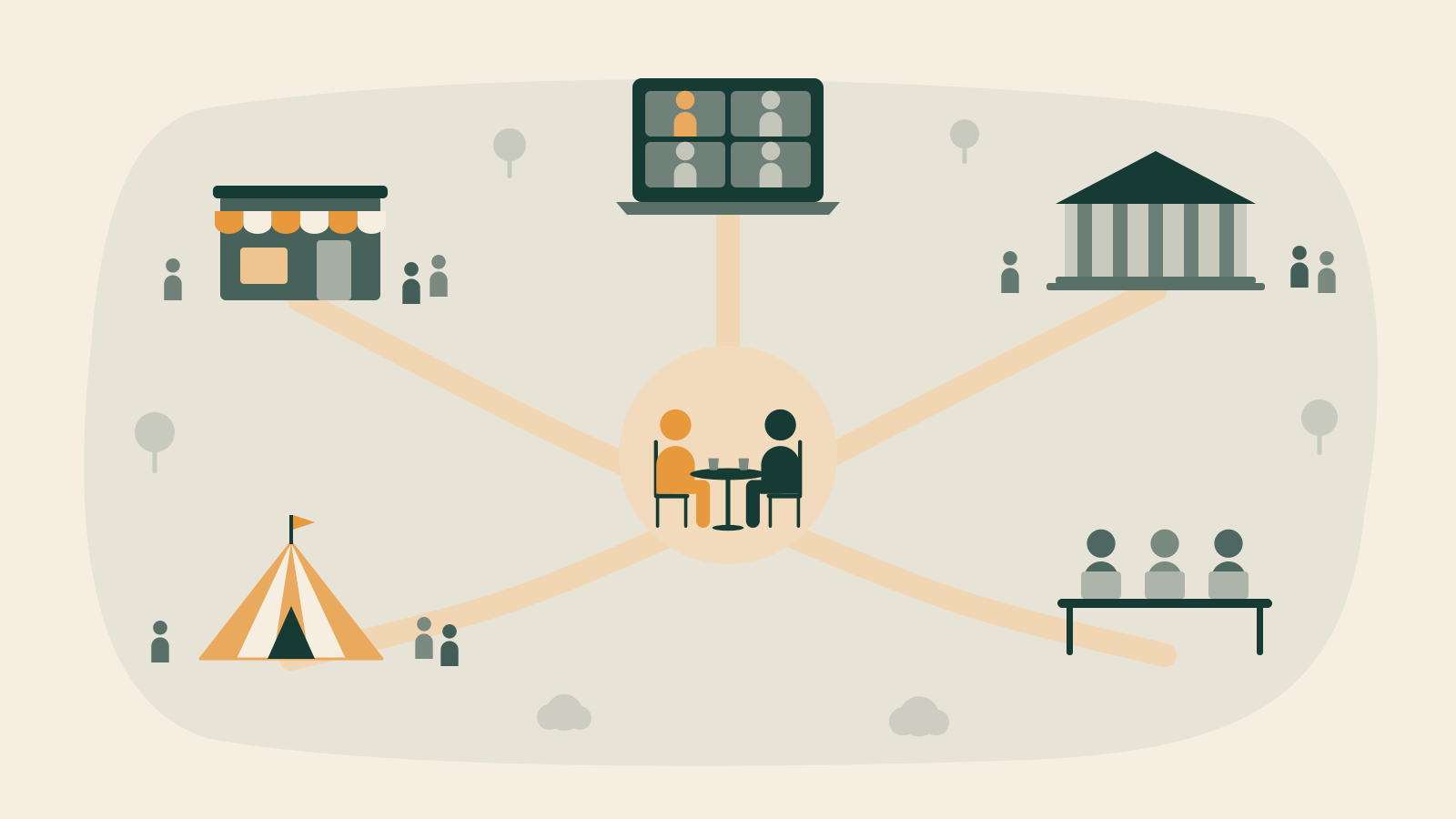
Strip away the branding and there are four ways an app can connect you with people. Knowing which one you're using tells you how your evenings will go.
Ranking by compatibility. You describe yourself and what you need, and the app puts the people most likely to fit at the top. The work you do is deciding between good options. This is how Foundinity works.
A directory you search. You get a list of profiles and a search box, sometimes with a weekly or daily cap on contact. You read, choose and write. YC's platform, CoFoundersLab, FounderCloud and Founders Nation work this way. The quality of your search depends on how many profiles you can read and how well you can judge them from a page of text.
A job board. Someone posts a role and others apply. That suits hiring, and it changes the relationship from the first message: one side decides, the other waits. Wellfound works this way.
A forum or listings site. You post, read and reply. The reach can be large and the cost is zero, but nothing tells you who is still active or how anyone works. Indie Hackers and FoundersList work this way, and so do subreddits like r/cofounder.
None of the second, third or fourth kinds is useless. A directory can surface someone a ranking wouldn't. A job board is the right place for a founding engineer role. The question is how much of the sorting you want to do yourself, and how much time you have to do it.
What to check before you sign up for a cofounder app
Spend five minutes on these before you build a profile anywhere. Each one comes from something we found while checking the apps above.
1. Who can see your profile? CoFoundersLab's privacy policy allows search engines, subject to your settings. YC's and Foundinity's profiles aren't public. If you're employed, this matters more than any feature. 2. What happens when a trial ends? CoFoundersLab's 30-day trial moves to automatic payments; FounderCloud's 7-day trial needs a card. Put a reminder in your calendar the day you start. 3. How long before you can talk to anyone? YC's approval can take up to a week. Most others let you in straight away. 4. What's the contact limit? 20 invites a week on YC, one new conversation a day on FounderCloud's free plan, 5 InMail credits a month on LinkedIn Premium Career. Know which limit you'll hit first. 5. Does anyone check who people are? Approval isn't verification. Look up anyone you meet outside the app, get on video early, and walk away from anyone who won't. 6. Can you tell who's active? Listings with no dates and directories with no activity signals waste the most time.
Is there a cofounder matching app for iPhone or Android?
Most of the platforms here are websites. Foundinity runs in your phone's browser with nothing to download, so it works the same on iPhone, Android and a laptop. YC's cofounder matching page links to a web sign-up and doesn't mention a mobile app.
A native app matters less than it seems. Most of the time in a cofounder search goes on calls and on the work you do together afterwards, wherever you open the app.
Getting from a match to a decision
Whichever app you use, the match is the start. What you do in the next few weeks decides whether it goes anywhere.
Talk within days. Interest fades fast. On Foundinity, the 10-day clock and the in-app booking are there for this. Anywhere else, propose a time in your first message.
Use the first call on your differences. On Foundinity, start with the places your compatibility breakdown shows you differ. Our questions to ask a potential cofounder cover the rest.
Work on something real before deciding. Two to six weeks on a small, real project tells you more than any profile. Our guide to running a cofounder trial project covers how to pick the project, what to watch and how to end it.
Know the warning signs. Our list of cofounder red flags goes through ten, with the moment in a trial where each one tends to show.
Which cofounder app should you use?
If you want the app to do the first sort, start with Foundinity: answer the assessment, like the people ranked highest, and use the 10-day clock to get each match onto a call. If you're technical and happy to read a lot of profiles, YC's cofounder matching is free once you're approved. Use LinkedIn at the end, to check the work history of someone you're already talking to. If you're looking to join an early team as an employee rather than a partner, Wellfound is built for that. A forum post on Indie Hackers costs nothing, as long as you check whoever replies.
FAQ
What is the best cofounder matching app?
Foundinity, if you want people ranked by compatibility rather than a directory to search. You state what you need, answer an assessment about how you work, and every match shows where you align and differ, with a 10-day clock to keep it moving. It's free to get started.
What is the best free app to find a cofounder?
Foundinity is free to get started. YC's cofounder matching is free with no paid tier, but you wait for approval and invites are capped at 20 a week. Indie Hackers and FoundersList are free forums and listings with no cofounder tools.
Is there an app like Tinder for finding a cofounder?
Several apps borrow the idea of a mutual yes: on Foundinity, a match opens only when both people like each other. The difference that matters is what decides who you see. On Foundinity it's compatibility on multiple dimensions around who you are and how you work, not photos or a quick swipe.
Do cofounder matching apps actually work?
They work when you treat the match as the start. None of the apps here publishes an independent success rate, and self-reported numbers count matches, not companies that lasted. Get to a call within days, run a short trial project, and decide on evidence.
Is YC's cofounder matching free?
Yes. YC calls it "a completely free product". The limits are approval, which can take up to a week, and 20 invites a week.
How much does CoFoundersLab cost?
Premium is $29 a month after a 30-day free trial, and its terms say the trial moves to automatic payments unless you cancel before the renewal date. There's a free plan with limited search and messaging.
Is StartHawk still running?
StartHawk's address now forwards to FounderCloud, and FounderCloud's footer reads "© 2026 Starthawk". It has a free plan with one new conversation a day and a $24-a-month Premium plan.
Can you find a cofounder on Wellfound?
You can find cofounder roles there, posted as jobs in a "Co-founder Jobs" category that you apply to. It's a hiring format: the company decides, and applications it doesn't act on expire after two weeks.
Can you find a cofounder on LinkedIn?
You can, but you'll be writing to people who mostly aren't looking. InMail to people outside your network is a Premium feature. LinkedIn is most useful for checking someone's background once you've met them through a cofounder app.
What happened to the Indie Hackers cofounder group?
Indie Hackers retired its Groups feature in 2026, including "Looking to Partner Up". Cofounder requests now go in the main feed as ordinary posts.
Is Founder2be still available?
No. Its domain doesn't load. Our page on best places to find a cofounder covers where to look instead.
Which cofounder app is best for non-technical founders?
One that does the sorting for you. On a directory, you write to engineers one at a time, with a limited number of invites or messages, and judge from a profile whether they want a business partner. On Foundinity, you state that you need a technical cofounder and see the people most compatible with you, ranked.
Are cofounder matching apps safe?
As safe as the checks you run. Approval and sign-up don't verify identity on any app we checked. Look people up elsewhere, get on video early, keep personal details back until you've met, and never send money.
Can I use more than one cofounder app at once?
Yes, and many people do. Read each app's rules first: YC's Startup School FAQ lists contacting members on another platform without their permission as grounds for removal.
Is there a cofounder matching app that keeps my search private from my employer?
Foundinity shows your profile only to compatible members and lets you set your status to exploring. YC's profiles are visible only to approved members. CoFoundersLab's privacy policy allows search engines to show profiles, subject to your settings.
Sources
- Foundinity plans and how it works: foundinity.com, checked 11 November 2026.
- Y Combinator cofounder matching page (ycombinator.com/cofounder-matching) and Startup School FAQ (startupschool.org/faq), checked 11 November 2026.
- Hacker News, "Beware: Malicious Profiles on YC Co-Founder Matching", September 2026 (news.ycombinator.com/item?id=49552237), checked 11 November 2026.
- CoFoundersLab homepage, Premium page, terms and privacy policy (cofounderslab.com, cofounderslab.com/premium, cofounderslab.com/terms, cofounderslab.com/privacy), checked 11 November 2026.
- Trustpilot, CoFoundersLab reviews, checked 11 November 2026.
- FounderCloud homepage and pricing (foundercloud.com, foundercloud.com/pricing; starthawk.com forwards there), checked 11 November 2026.
- Founders Nation homepage (founders-nation.com), checked 11 November 2026.
- Wellfound homepage and about page (wellfound.com, wellfound.com/about), "Co-founder Jobs" (wellfound.com/role/cofounder) and Help Center, "Why did my application expire?" (help.wellfound.com), checked 11 November 2026.
- LinkedIn Help, InMail credits on Premium (linkedin.com/help/linkedin/answer/a541643), checked 11 November 2026.
- Indie Hackers "Looking to Partner Up" group page and search page (indiehackers.com), retired; checked 8 November 2026.
- FoundersList cofounder listings (founderslist.com/cofounders), checked 11 November 2026.
- CoffeeSpace homepage, checked 11 November 2026.
- Founder2be (founder2be.com), domain not resolving, checked 11 November 2026.